Painting your home can feel deceptively straightforward. You do a bit of prep, add a fresh coat of colour, and the job is done. However, there are corners, trims, and surfaces that even the most confident DIYer may have trouble with. These tricky spots require patience, the right tools, and a few clever techniques. Mastering them makes your home look polished and helps your paintwork stand the test of damp weather.
Ceilings are full of decorative details, curves, and recesses. These are perfect places for drips to gather or for you to miss spots. Areas like this require extra prep, the right products, and careful technique because climate change is leading to more extreme weather that threatens buildings. Homes designed for heat retention are now increasingly vulnerable to overheating, flooding, and structural damage. These conditions can mean that even seemingly simple areas need careful handling.
Consider using an angled sash brush for precision. Pair it with low-drip or self-levelling paint, and make liberal use of masking tape. Try working in small sections. Cut in along the moulding first, then roll the flat ceiling. That way, you can minimise mess and maintain control.
Related: 2025 Review of Eight Building Materials’ Pros Cons
Staircases and Bannisters
Stairs are high-traffic areas, and bannisters have multiple planes, including handrail, posts, and spindles, which can make painting them a challenge. Start by thoroughly sanding—rough up any old paint or varnish so your new coat adheres properly. Use a small angled brush for spindles and details and a small roller for flat boards.
The specific paint you choose is important, as its formulation contains fillers that enhance the mechanical properties of the coating. These fillers improve scratch resistance and impact strength. They also enhance surface properties, including gloss control, texture, and the overall finish. You might even opt for a nonslip topcoat on staircases to improve safety.
Garage Doors
A coat of paint is a quick, effective way to refresh the exterior of your home. It works on metal, wood, and vinyl doors, too. In this case, choosing the right paint matters. For instance, metal doors typically respond best to acrylic latex paints designed for exterior use, which offer strong adhesion and a smooth finish. Avoid coating steel doors with oil-based paint, as the drying time is excessively long and can result in poor performance.
Related: Six Essential Questions Before Choosing a Heating System
Whatever material your garage door is made from, you must prime it first. This helps the topcoat last longer, prevents peeling, and ensures your colour looks crisp and consistent. While you’re at it, consider the walls, as applying a fresh coat of paint can be an inexpensive way to breathe new life into your garage.
Sash Windows and Window Frames
Sash windows are charming, but they demand a careful hand. First, sand the old paint gently to avoid damaging the wood. Then prime—especially any bare timber—with a suitable wood primer. When painting, use painter’s shields, or even folded cardboard, to protect glass panes from drips. Finally, you can finish with a weatherproof exterior paint.
For a more advanced solution, radiative cooling coatings offer a dual benefit. They reflect the sun’s rays and release absorbed heat from the surface. This can help keep the interior of the home cooler during hotter periods, reducing the strain on heating and cooling systems.
Damp‑Prone Corners and Bathrooms
Bathrooms, corners, and walls near windows often experience condensation, which can lead to mould growth. Before painting, identify and address the source of dampness, such as poor ventilation or leaks. Then, you can thoroughly clean and treat any mould using a remover or a fungicidal wash.
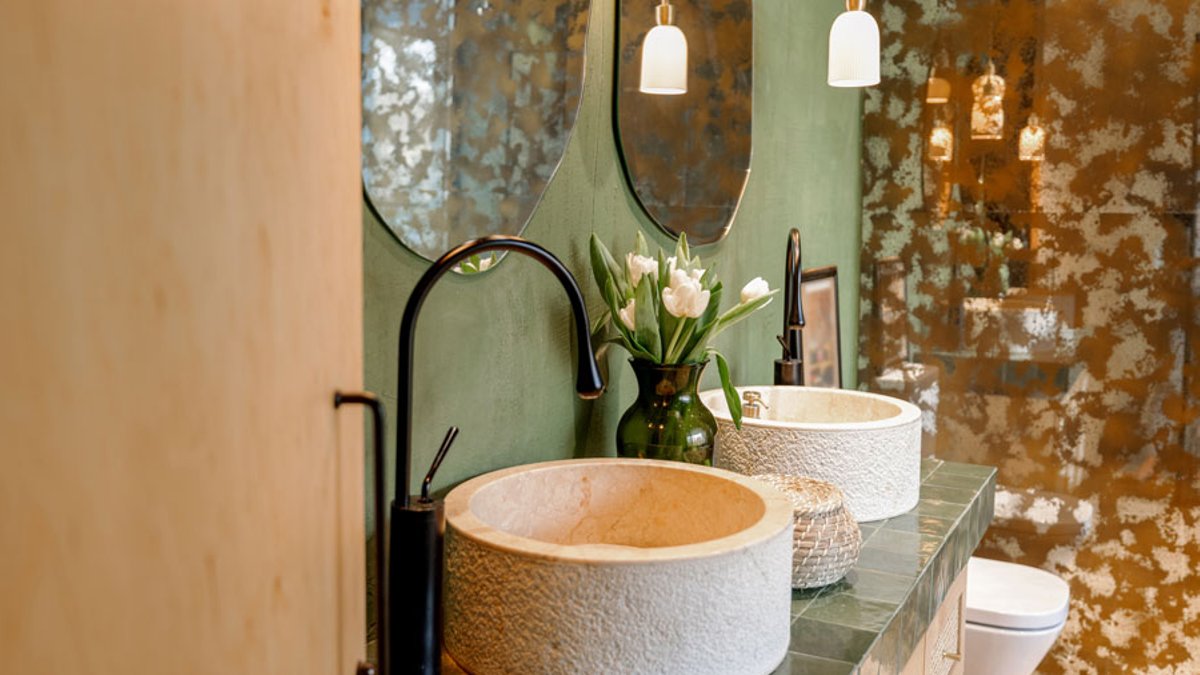
Apply an anti‑mould primer, then a moisture‑resistant paint. Once you have finished these preparations, you can focus on aesthetics. When choosing the room’s colour, consider that warm tones like reds and oranges energise, while cool shades like blues and greens create calm.
Mastering tricky painting spots transforms your home from ordinary to polished. With the right preparation, tools, and paint, even ceilings, bannisters, and bathrooms become manageable. Paying attention to material-specific techniques ensures your work lasts through Ireland’s damp weather. Thoughtful colour choices can enhance mood and style while protecting surfaces. With patience and planning, every challenging corner can be a chance to showcase your DIY skills.