Older homes in Ireland face a constant battle against rain, and taking steps to mitigate rain damage can protect both the structure and its historic charm.
Understanding the Vulnerabilities of Historic Buildings
Unlike modern houses that often feature built‑in moisture barriers and treated timber, many older properties rely on solid walls without cavity insulation. This makes them more susceptible to dampness, leaks, and seepage. Even small problems such as a crack in a wall or a clogged gutter can quickly develop into larger issues if left unattended.
Homeowners should first learn to recognize the signs of water intrusion. Typical indicators include peeling paint, bubbling plaster, damp patches, mould, sticking doors or windows, and cracks in external brickwork. In some cases, floors may sag or puddles may appear near the foundation, suggesting that water is gathering where it shouldn’t.
Practical Steps to Keep Water Out
Regular maintenance of awnings is a simple yet effective measure. Awnings shield doors and windows from direct rain, but they must be inspected for sagging frames or pooling water that could signal a leak.
Cracks around the foundation and in crawl spaces should be sealed promptly. Using a masonry sealant or hydraulic cement can stop water from seeping in, while installing moisture barriers and ensuring adequate ventilation in crawl areas helps prevent wood rot.
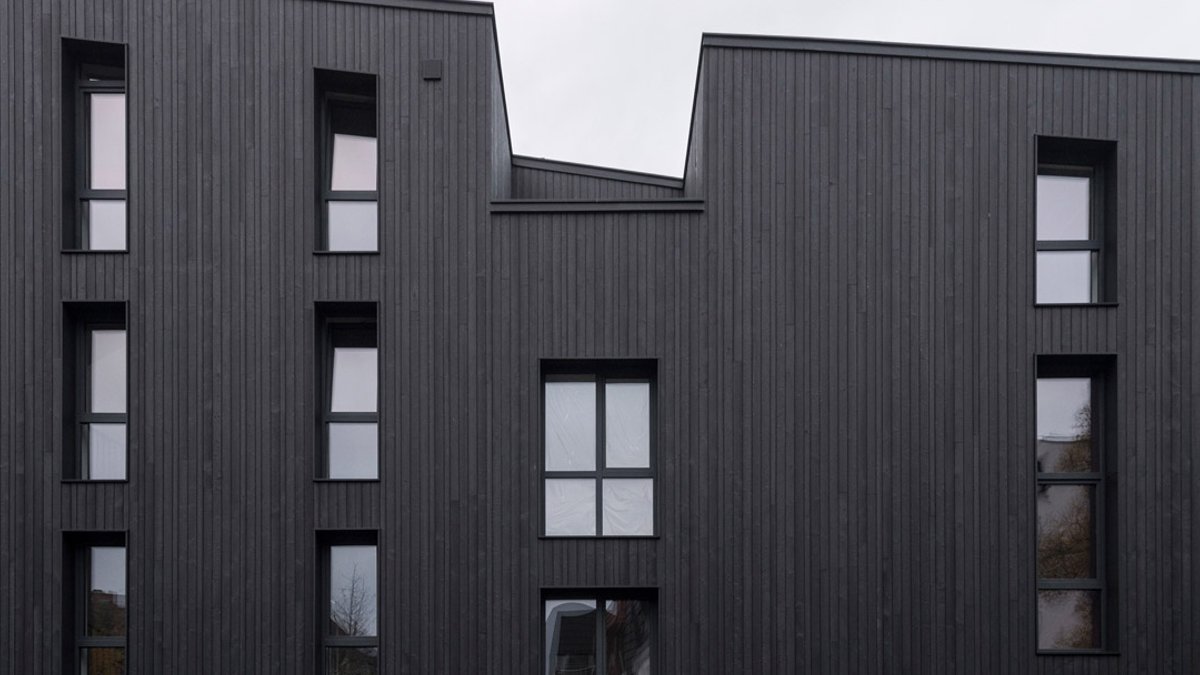
Related: Charred timber cladding needs little upkeep
For homes with basements or low‑lying sections, a sump pump can divert excess water away from the structure. Pairing the pump with a water sensor or flood alarm provides early warning, though the pump should not run continuously to avoid motor burnout.
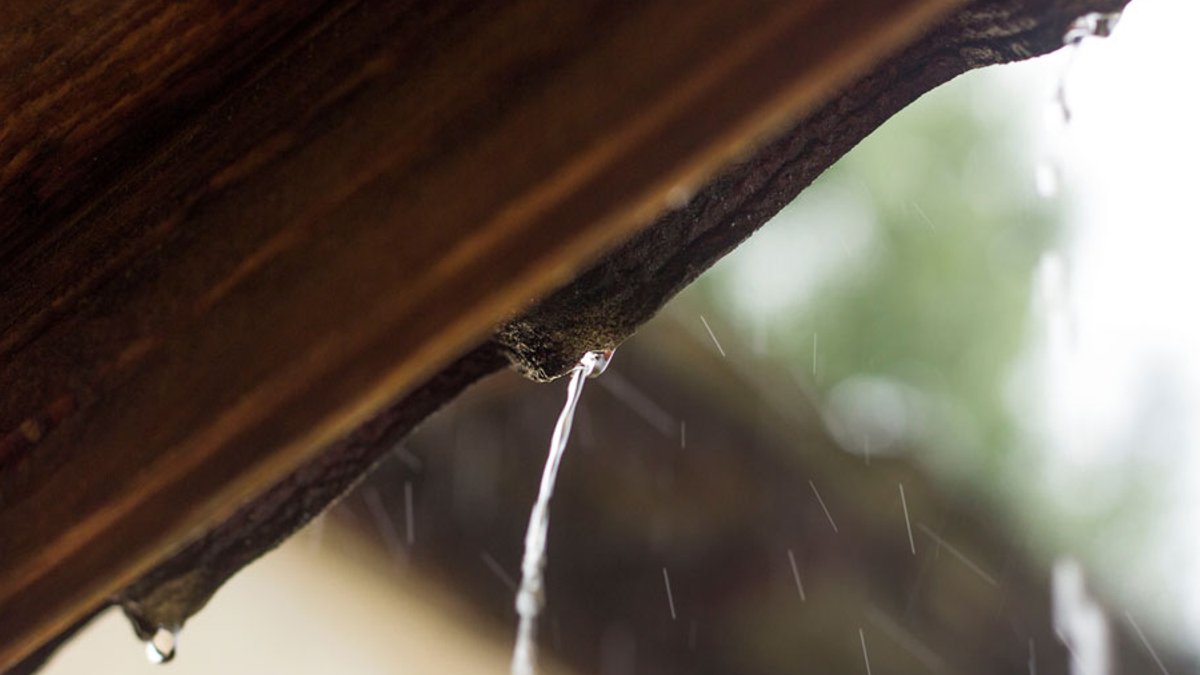
Gutters and downspouts need cleaning at least twice a year.
Removing moss, leaves, and debris prevents overflow that can damage walls and foundations. Downspouts should discharge water at least one metre from the building, and adding a French drain can further redirect groundwater.
Roof inspections after storms are essential. Loose tiles, cracked flashing, and clogged valleys are common sources of leaks. Any standing water on a flat or low‑pitch roof should be addressed promptly to protect protective membranes.
Windows and doors benefit from fresh weatherstripping and silicone sealant. Treating older timber frames with a weather‑resistant finish or repainting them can enhance their ability to keep rain out.
Related: Six Essential Questions Before Choosing a Heating System
Grading the ground around the house helps direct water away from the foundation. Soil depressions can cause water to pool, leading to settlement issues. Adjusting the slope with a shovel or hiring a landscaper, and applying Sustainable Drainage Systems (SuDS) techniques such as dry wells, can improve drainage.
Exterior wood surfaces, including window frames, doors, and outdoor furniture, should be sealed or painted during the dry season. Reapplication every one to two years maintains water resistance.
Inside the home, a dehumidifier can lower humidity levels that otherwise encourage mould and condensation. Strategic placement in bathrooms, basements, and laundry rooms helps keep indoor air drier.
Sometimes the scale of the problem exceeds what an owner can handle. Significant foundation settling, persistent basement flooding, or severe sagging floors warrant professional assessment.
Keeping the Home Ready for the Next Downpour
Seasonal upkeep—cleaning gutters, inspecting roofs, and sealing cracks—remains the cornerstone of protecting older homes from rain damage. By combining these routine tasks with strategic upgrades such as sump pumps and proper grading, owners can preserve the integrity of their properties without sacrificing historic character.